When a young woman with autism walks into a classroom, she may feel like a lone traveler in a bustling city. The streets are full of signs—some bright and helpful, others confusing. For families and educators, the goal is to turn that city into a well‑mapped neighborhood where she can thrive. This article dives into the practical steps of crafting an educational signs and symptoms of autism in girls plan that respects the unique strengths and challenges of girls and women on the autism spectrum.
Understanding the Unique Landscape
Autism in women and girls often wears a subtle mask. Unlike many boys who are diagnosed early, girls may develop coping strategies that hide their difficulties until adolescence or even adulthood. This can delay support and skew the educational experience. Recognizing these nuances is the first mile marker on the road to effective planning.
- Early signs may be less obvious: social awkwardness, intense focus on interests, sensory sensitivities. Cultural expectations: girls are often expected to be more socially adept, which can mask struggles. Co‑occurring conditions: anxiety, depression, and learning disabilities frequently accompany autism in females.
By acknowledging this landscape, educators can begin to ask the right questions: What are the student’s real needs? How do they differ from typical expectations?
Assessing Strengths and Challenges
A good plan starts with a clear picture of both the bright spots and the blind spots. Think of it like a health check‑up for the mind.
Strengths to Celebrate
- Deep focus: many girls develop intense knowledge in niche areas. Empathy and intuition: they often pick up on emotional cues that others miss. Creativity: unique problem‑solving approaches that can enrich classroom discussions.
Challenges to Address
- Social navigation: reading non‑verbal cues can be tough. Sensory overload: bright lights or loud noises may derail learning. Executive function: planning, organizing, and time management often need extra scaffolding.
A balanced assessment helps avoid the “one‑size‑fits‑all” trap.

Crafting a Student‑Centered Plan
Now that you know the terrain, it’s time to lay out the route. An individualized education plan (IEP) or 504 plan should feel more like a custom itinerary than a generic itinerary.
Set clear, measurable goals that reflect the student’s interests and real‑world needs. Choose supports that match the challenges—for example, a visual schedule for organization, or a quiet corner for sensory relief. Incorporate flexible teaching methods: project‑based learning, peer‑mentoring, or technology tools that adapt to learning styles. > “Education is not the filling of a pail, but the lighting of a fire.” – William Butler YeatsThis quote reminds us that the goal is to spark curiosity, not just to fill a curriculum.
Navigating School Systems and Resources
Getting the right paperwork signed is like finding the right parking spot in a crowded lot—sometimes you have to look a bit harder.
- Know the legal framework: IDEA, Section 504, and state‑specific regulations. Engage school psychologists and special education teachers early; they can provide assessments and recommendations. Leverage community resources: local autism support groups, tutoring services, and online forums.
Ask yourself: Are we using all the tools available, or are we still stuck in the “one‑tool‑fits‑all” mindset?
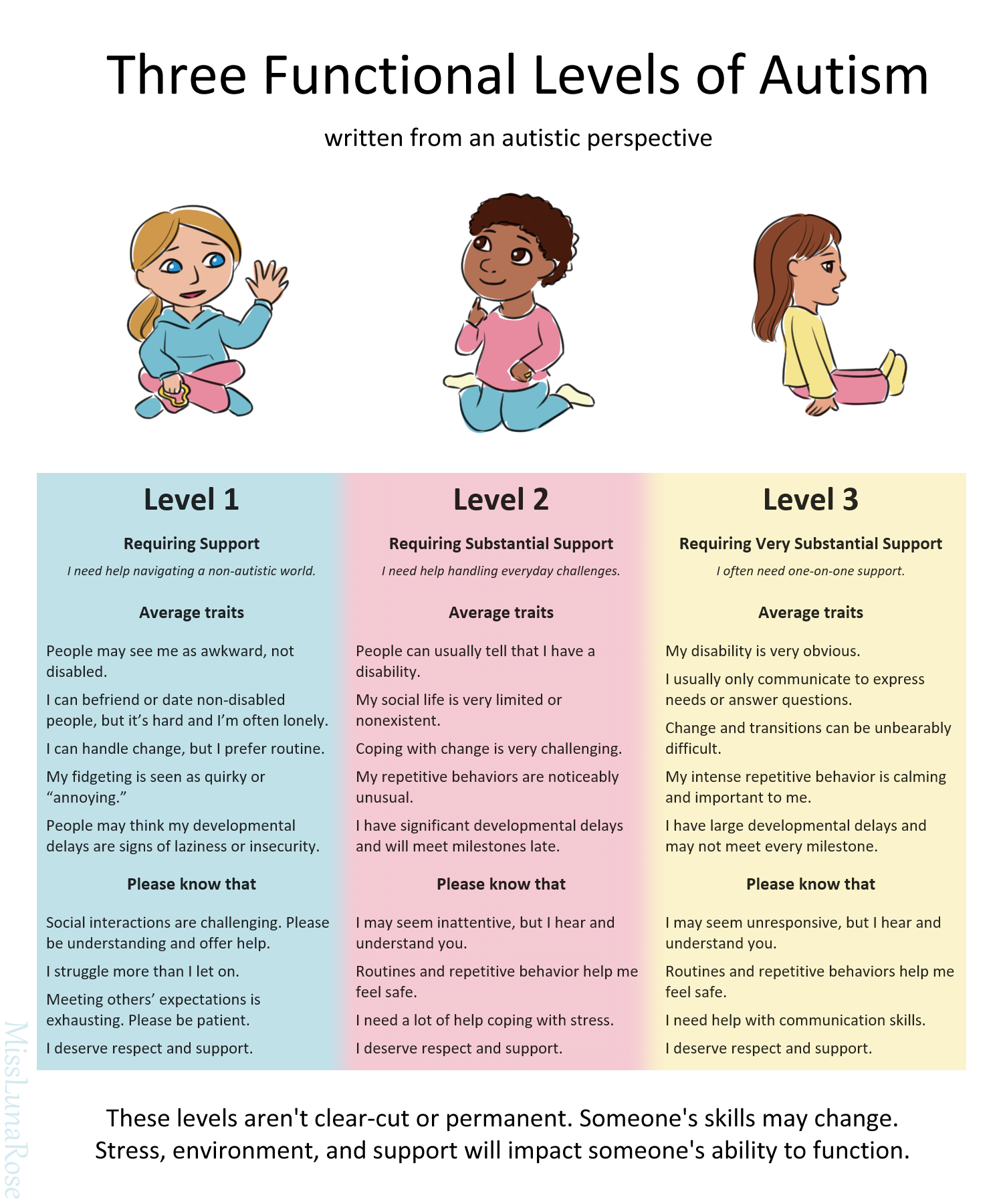
Building a Support Network
No journey is complete without companions. A robust support network can make the difference between a smooth ride and a bumpy road.
- Family members: parents, siblings, and extended relatives who understand the daily challenges. Educators: teachers, aides, and counselors who can adapt classroom strategies. Peers: classmates who are encouraged to be inclusive and supportive. Therapists: occupational, speech, and social skills therapists who provide specialized interventions.
Anecdote: When Maya, a 14‑year‑old with autism, started a peer‑buddy program at her school, her confidence surged. She went from whispering in the hallway to presenting her science project with a smile. That simple act of partnership turned her school days from a maze into a well‑lit path.
Monitoring Progress and Adjusting
Like a GPS that recalculates when you take a wrong turn, an educational plan must be dynamic.
- Regular check‑ins: monthly meetings with the IEP team to review progress. Data collection: use attendance, assignment completion, and behavior logs. Student voice: ask the girl or woman herself what’s working and what’s not.
Rhetorical question: What if the plan that worked last year no longer fits the student’s current reality?
When adjustments are needed, they should be made swiftly—after all, the goal is to keep the journey moving forward, not to get stuck in a cul‑de‑sac.
Turning the Road into a Destination
An educational plan for a girl or woman on the autism spectrum isn’t just a document; it’s a living map that evolves with her. By understanding the unique landscape, assessing strengths and challenges, crafting a student‑centered strategy, navigating systems, building a support network, and monitoring progress, families and educators can help transform the often‑bumpy road into a smooth, rewarding drive.
Take the first step today: gather the team, review the current plan, and ask, “What can we add or change to make the next mile easier?” Your proactive approach can turn a potential detour into a scenic route, ensuring that every student on the spectrum reaches their own destination with confidence and support.